Shoppers now ask ChatGPT and Google “Does this fit my 2021 Sportsman 570?” When your fitment is buried in descriptions, the answer is “I can't confirm” — and the shopper moves on to a listing it can read. Fitcheck finds the gaps and turns them into structured data assistants can trust.
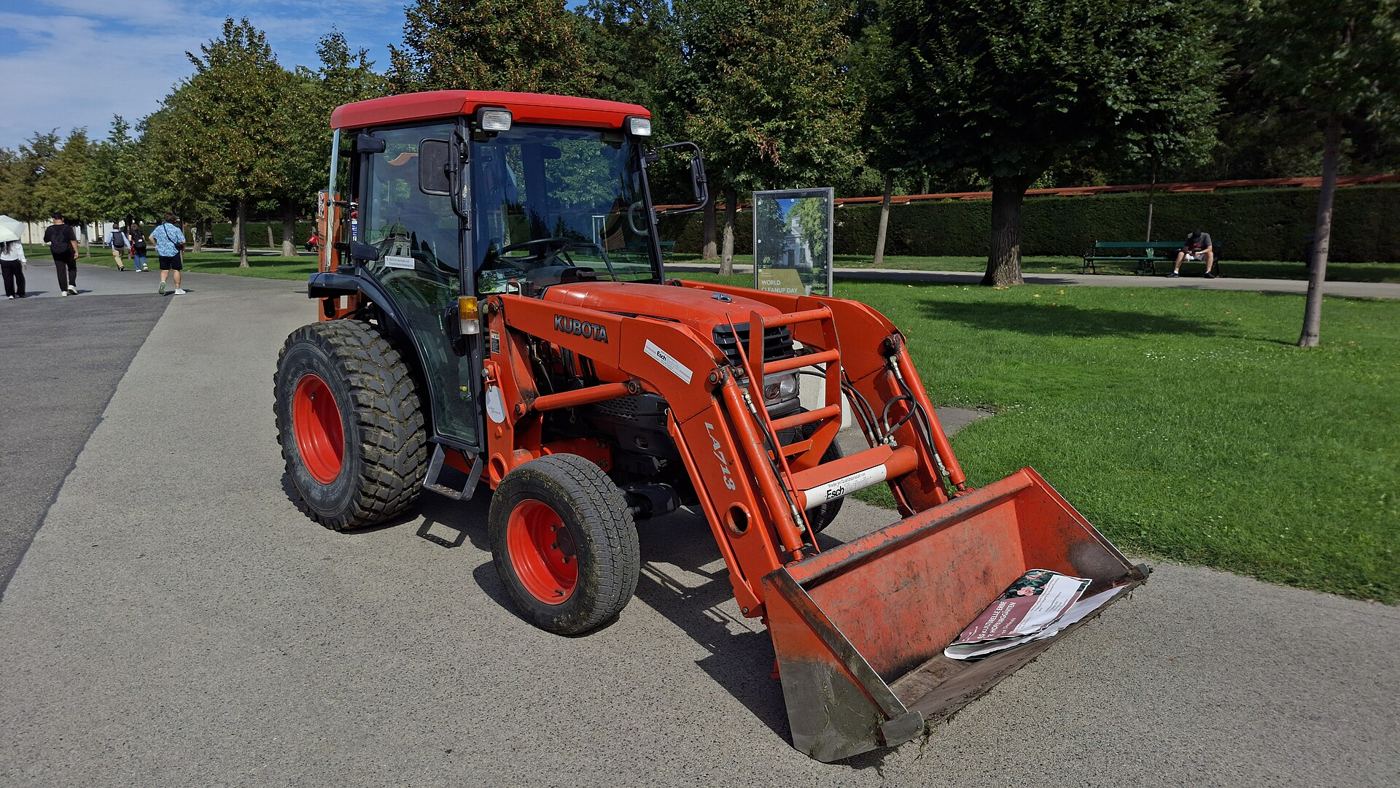
Made for catalogs where the right part depends on what it goes on: powersports, marine, auto, RV, outdoor power, ag and heavy equipment, appliance and bicycle parts.
Free · No signup · Up to 10 parts per check
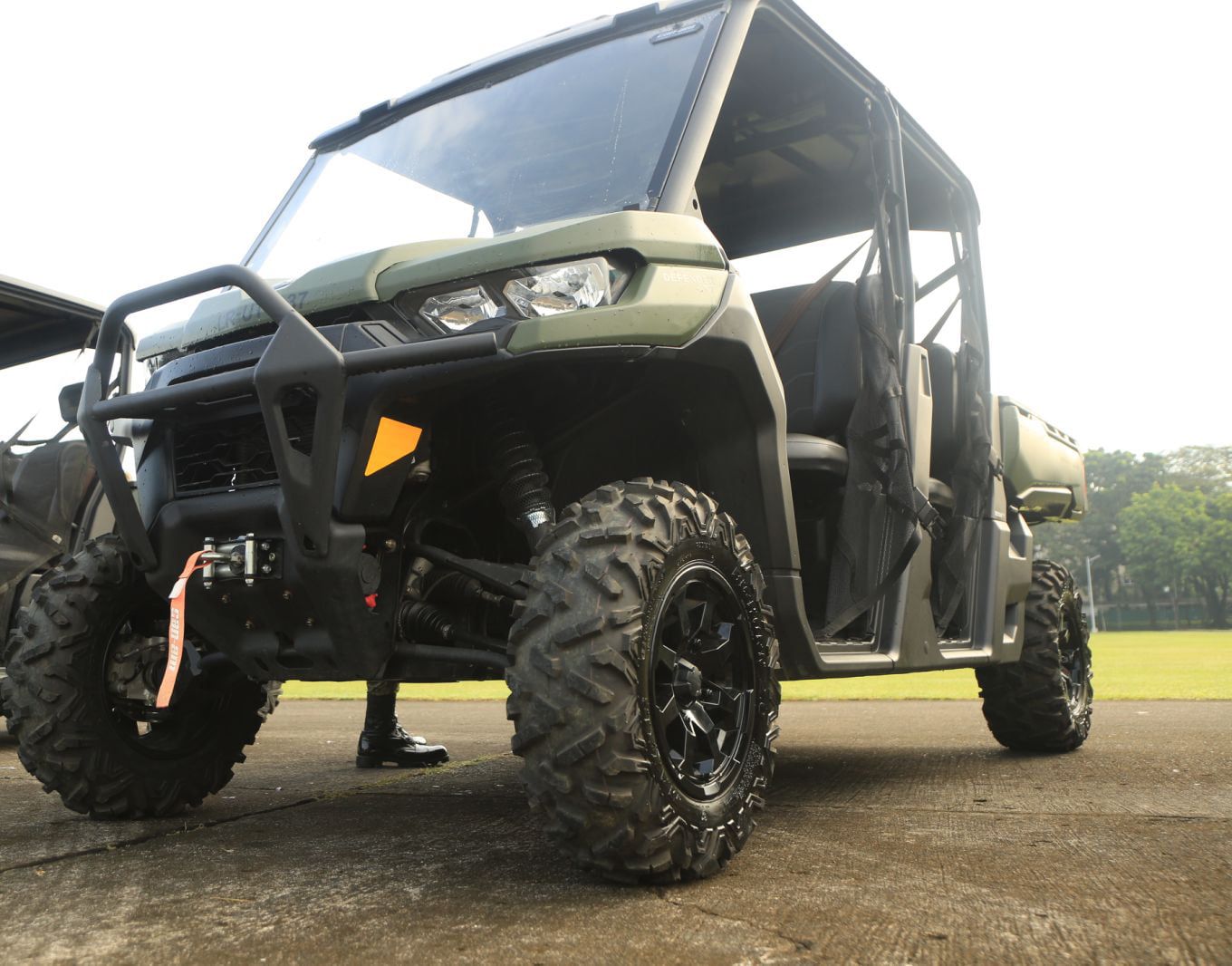
Does this winch mount fit a 2022 Can-Am Defender HD10?
I can't confirm. The listing doesn't include a fitment list, so I can't tell whether it fits your Defender.
Yes. It's listed for 2016–2022 Can-Am Defender HD8 and HD10, and isn't compatible with models that have a factory winch.
AI assistants are already sending shoppers to stores: traffic from generative AI tools to U.S. retail sites rose 693% in the 2025 holiday season. Adobe Analytics
Or upload a feed, or start with one of our sample parts below.
We read every place your fitment and specs might live, check them against what buyers ask, and hand back fixes you can load straight into your store.
Structured data, meta tags, spec tables, fitment tables and the description — each value tagged with where it came from.
Fitment, part numbers, GTIN, specs, kit contents and more, scored against a fitment template weighted for what buyers ask.
Every suggested value quotes your own data. Anything we can't back up is marked “Needs supplier data”, never guessed.
A real buyer question — “Does this fit my 2021 Sportsman 570?” — answered with today's data and with the fixes.
Fitcheck is built for catalogs where the right part depends on what it goes on — a machine, an engine, a model number or a standard.

ATVs, UTVs, dirt bikes, snowmobiles and PWC

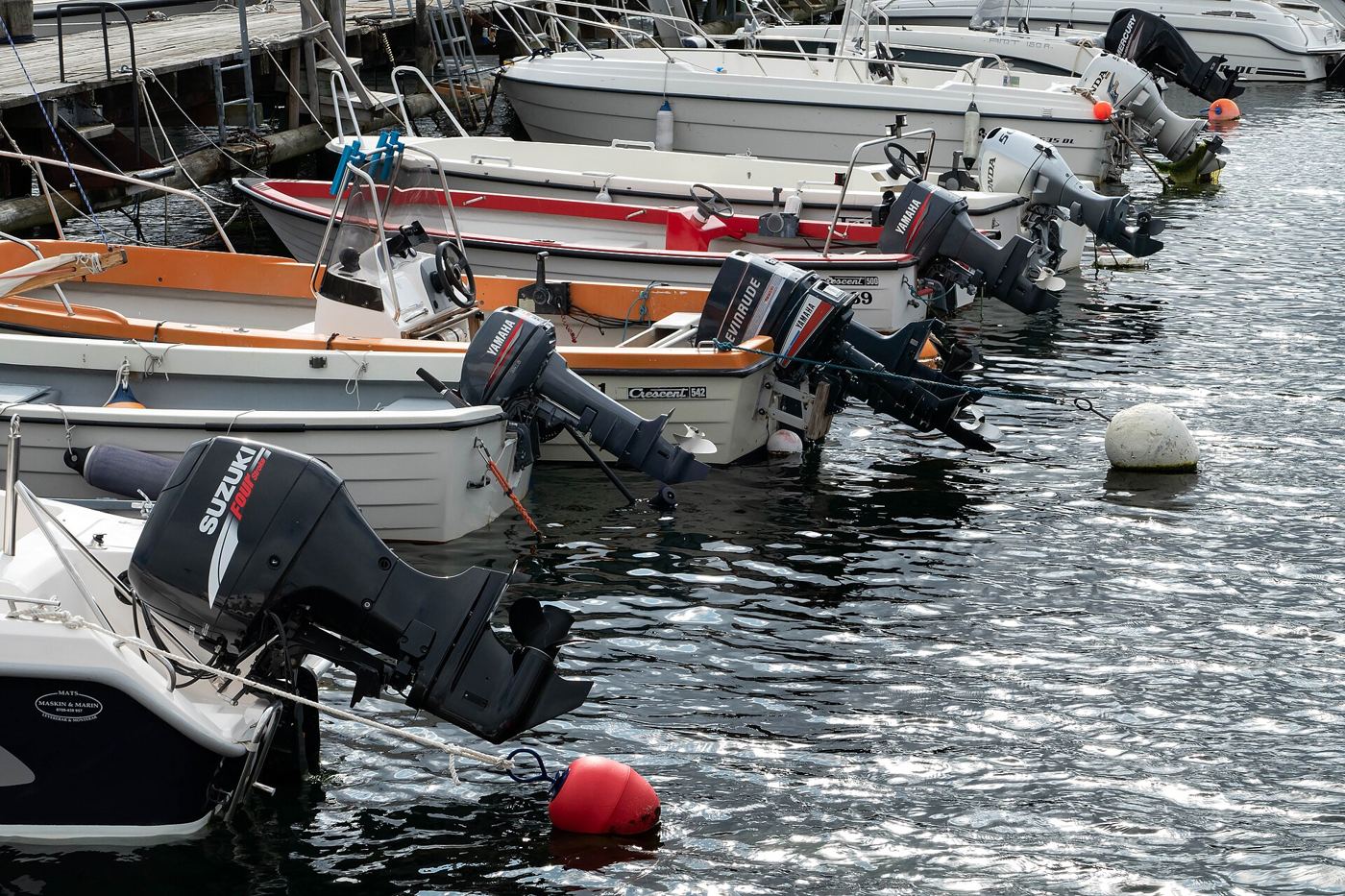
Outboards, sterndrives, boats and trailers

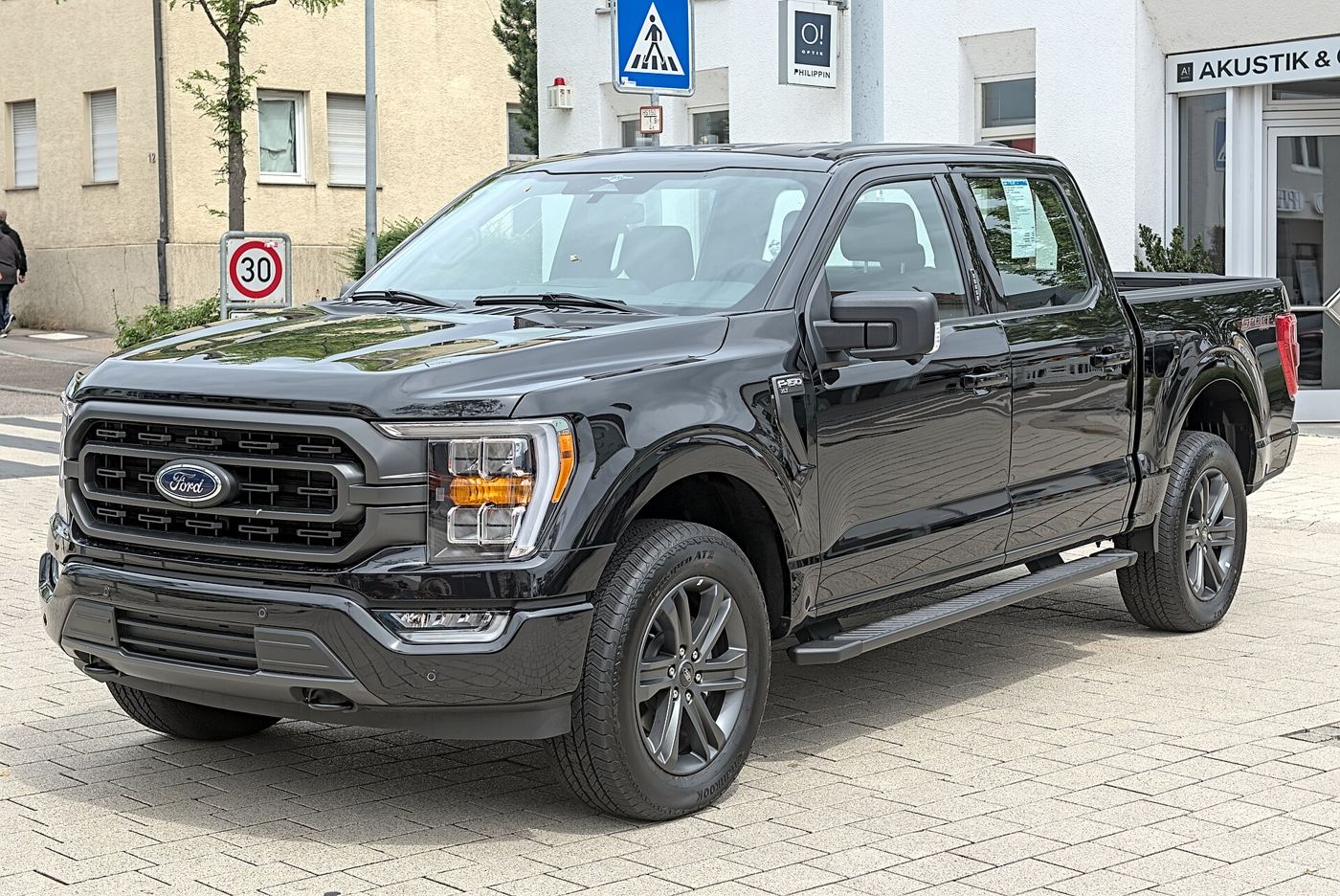
Cars, trucks and SUVs

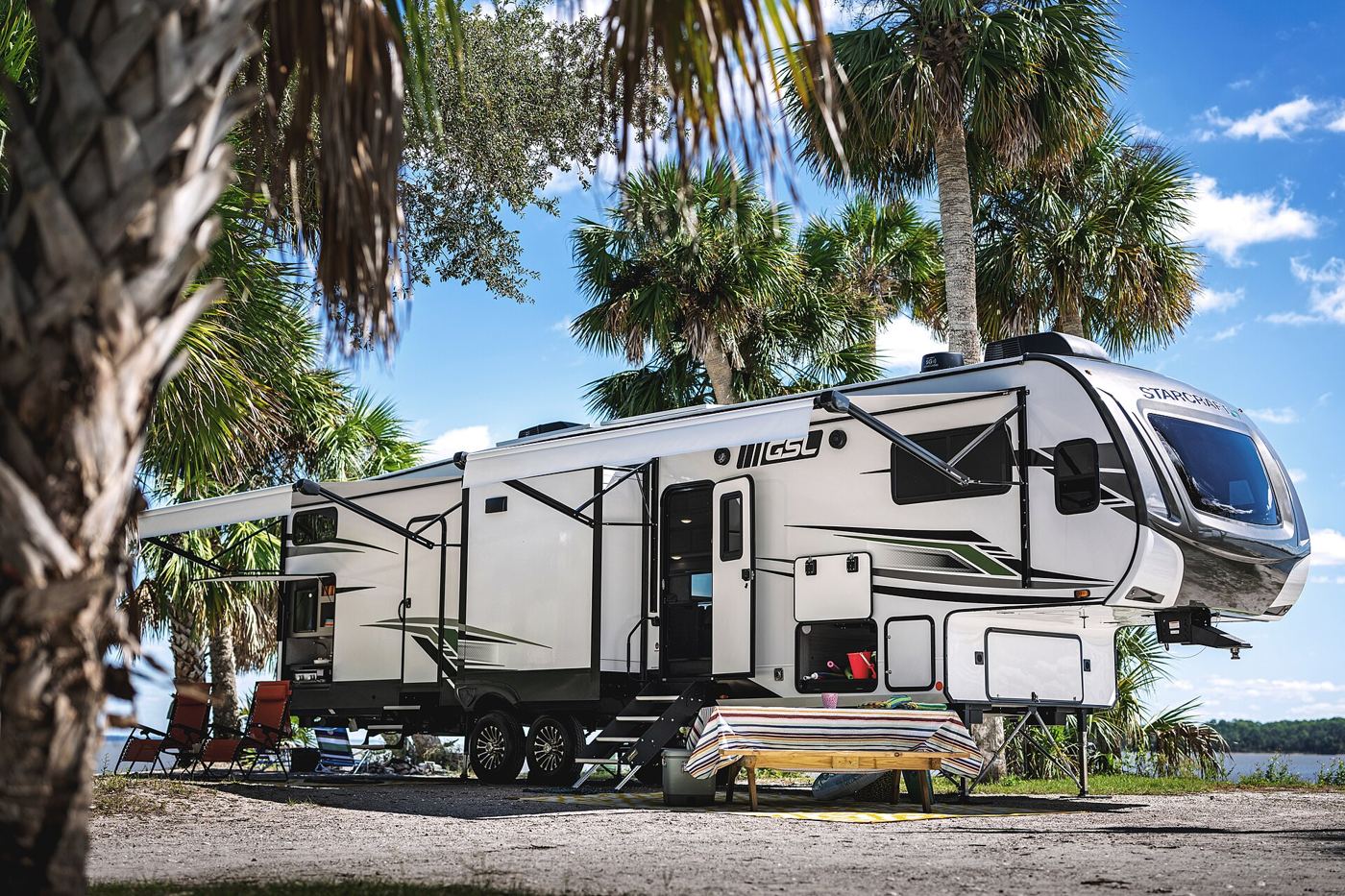
Motorhomes, travel trailers, toy haulers and hitches

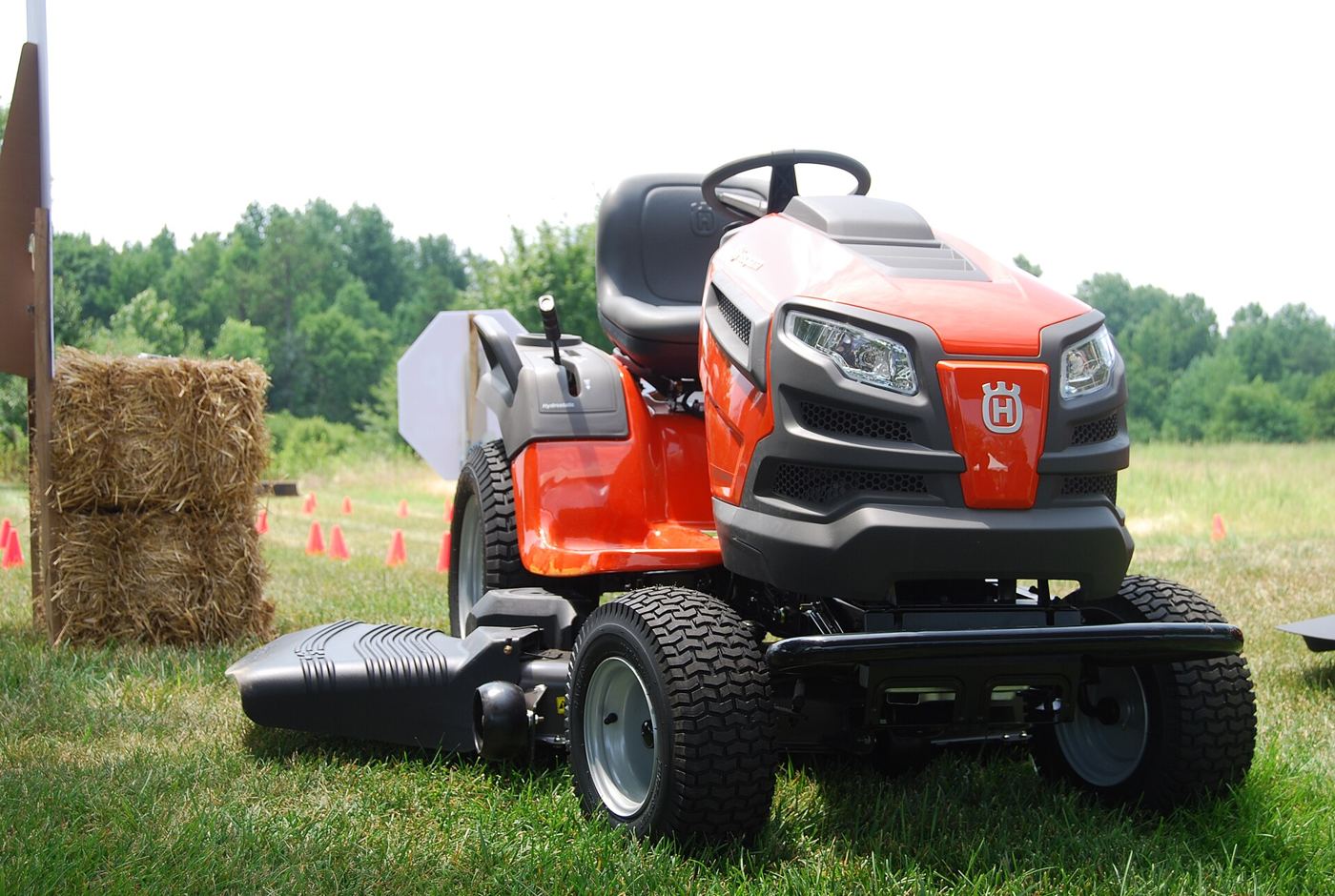
Mowers, trimmers, chainsaws and generators

Tractors, skid steers and excavators

Washers, dryers, refrigerators and ranges

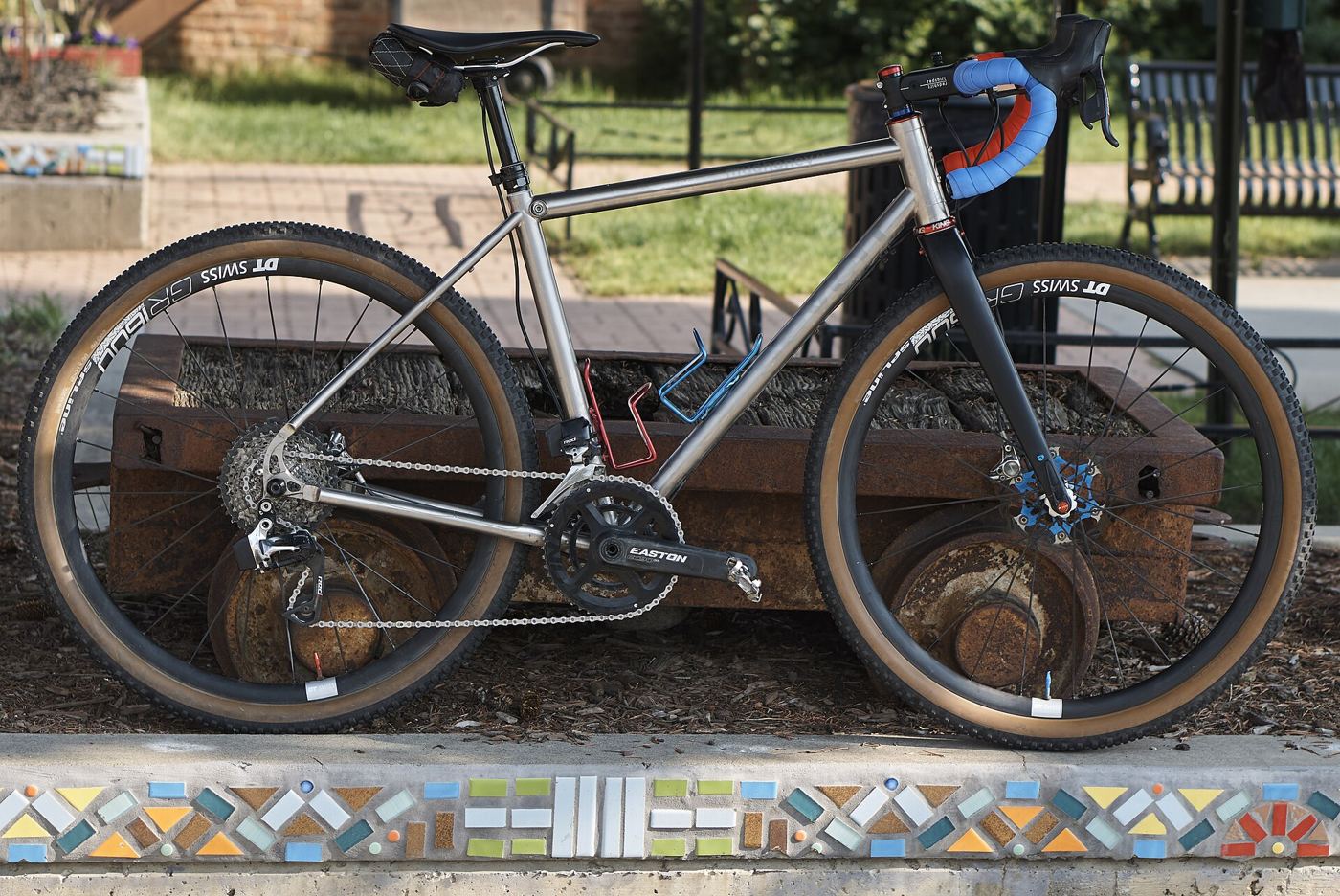
Road, mountain and e-bikes
A hidden, machine-readable version of your product page — brand, part number, price, and what the part fits — written in a standard format (schema.org). Search engines and AI assistants use it to know exactly what you sell instead of guessing from your description. Many parts pages have none, or only the basics.
Not to run the check. To fix what it finds, you'd add the structured data block we generate to your product pages and load the improved CSV back into your catalog or feed. Your web developer, agency or platform support can usually do both — it's a template change, not a rebuild.
Any. We read your public product pages or a CSV export, so it doesn't matter whether you're on Shopify, BigCommerce, a dealer website platform or something custom. The fixes come back as standard JSON-LD and CSV.
No. Every suggested value quotes your own page or feed, and we check that the quote is really there. Anything we can't back up is marked “Needs supplier data” — never guessed.
Merchant Center checks whether your feed meets Google Shopping's rules. Fitcheck checks whether an AI assistant can answer a buyer's real question — “does this fit my machine?” — and whether ChatGPT, Claude and Perplexity can read your pages at all.
The URL or file name you check, summary numbers from the result, and any contact details you choose to enter. Not your feed contents, page text or IP address. We don't sell your data.